
Micro Applicators: A Critical Tool for Today's Medical Professionals
01 Mar,2026


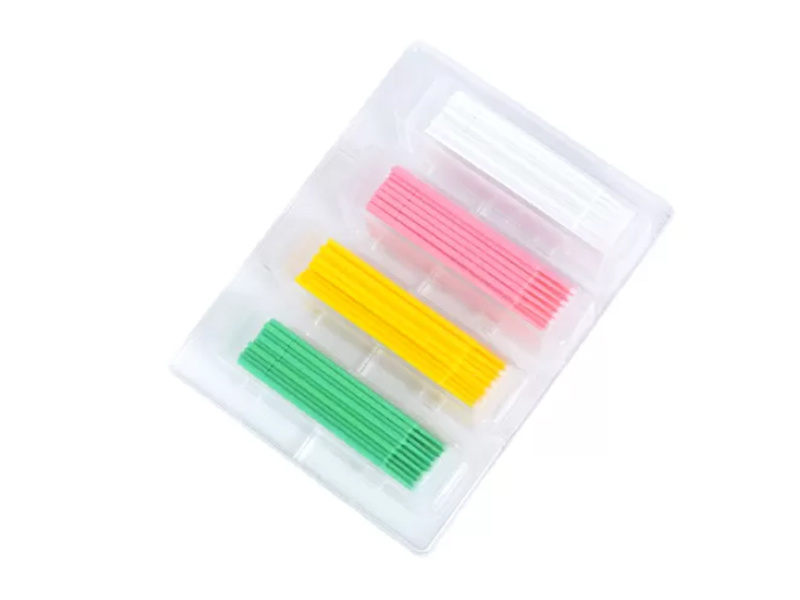
Micro Applicators: A Critical Tool for Today's Medical Professionals
Micro applicators have emerged as **essential instruments** in the toolbox of medical professionals. These specialized tools are designed for precision and accuracy, enabling healthcare providers to deliver optimal patient care. With their ability to handle delicate tasks, micro applicators are now indispensable in various clinical settings.
In this article, we will delve deeply into the importance of micro applicators, their diverse applications, and the innovations driving their development. We will also address frequently asked questions to provide a comprehensive understanding of this vital tool in the medical field.
Table of Contents
1. Understanding Micro Applicators
2. The Importance of Micro Applicators in Healthcare
3. Applications of Micro Applicators in Medical Procedures
3.1. Use in Dermatology
3.2. Role in Dentistry
3.3. Applications in Ophthalmology
4. Benefits of Using Micro Applicators
5. Innovations and Trends in Micro Applicator Technology
6. Proper Handling and Usage of Micro Applicators
7. Safety Considerations for Medical Professionals
8. FAQs about Micro Applicators
9. Conclusion
1. Understanding Micro Applicators
Micro applicators are fine-tipped tools designed for applying medications, cleaning wounds, and conducting various other **medical procedures**. They come in various shapes and sizes, often featuring flexible or rigid tips made from materials such as foam, plastic, or wood. The precise construction of micro applicators allows for targeted application, minimizing the risk of contamination and ensuring accurate dosage.
These tools are essential for tasks that require a delicate touch, whether it's applying medication to a small area or performing intricate procedures. Their design facilitates the delivery of therapies with maximum effectiveness while reducing the potential for trauma to surrounding tissues.
2. The Importance of Micro Applicators in Healthcare
The significance of micro applicators in healthcare cannot be overstated. They enhance the effectiveness of treatments and improve patient outcomes in numerous ways:
- **Precision**: Micro applicators allow for accurate application of medications, ensuring that the right amount reaches the intended target.
- **Reduced Risk of Contamination**: Their single-use nature minimizes the risk of cross-contamination, which is crucial in preventing infections and complications.
- **Versatility**: These tools can be employed in various medical fields, from dermatology to dentistry, making them a go-to choice for many practitioners.
As medical practices continue to advance, the role of micro applicators will only grow more important.
3. Applications of Micro Applicators in Medical Procedures
Micro applicators serve a multitude of purposes across various medical disciplines. Understanding these applications helps to appreciate their value in patient care.
3.1. Use in Dermatology
In dermatology, micro applicators are used for applying ointments, creams, and medications to treat skin conditions. They enable dermatologists to target specific areas with precision, ensuring effective treatment outcomes for conditions like acne, eczema, and psoriasis.
3.2. Role in Dentistry
Dentists utilize micro applicators for various applications, including the application of adhesives, etchants, and other dental materials. Their fine tips allow for accurate placement without overspreading, ensuring that materials adhere properly and enhancing the quality of dental restorations.
3.3. Applications in Ophthalmology
In ophthalmology, micro applicators are essential for administering eye drops and other medications. The ability to deliver precise dosages directly to the eye helps in treating conditions such as dry eye syndrome and glaucoma. Their design also minimizes the risk of introducing contaminants into the eye, which is crucial for maintaining ocular health.
4. Benefits of Using Micro Applicators
The benefits of incorporating micro applicators into medical practice are manifold:
- **Enhanced Accuracy**: The fine tips allow healthcare providers to apply medications with greater accuracy, reducing the likelihood of errors.
- **Improved Patient Comfort**: The delicate nature of micro applicators minimizes discomfort during procedures, enhancing the overall patient experience.
- **Cost-Effective**: Single-use micro applicators can reduce the need for complex cleaning and sterilization processes, resulting in cost savings for healthcare facilities.
In summary, micro applicators not only improve the quality of care but also streamline workflow for medical professionals.
5. Innovations and Trends in Micro Applicator Technology
As technology advances, so does the design and functionality of micro applicators. Innovations in materials and construction have led to the development of more effective and user-friendly tools. Some notable trends include:
- **Eco-Friendly Materials**: With an increasing focus on sustainability, manufacturers are exploring biodegradable materials that maintain the performance of traditional applicators while minimizing environmental impact.
- **Ergonomic Designs**: New applicator designs prioritize user comfort, allowing medical professionals to work more efficiently and reduce strain during procedures.
- **Smart Technology Integration**: Some manufacturers are experimenting with smart technology that tracks usage and provides data analytics, helping clinics optimize their inventory and improve patient care.
These advancements reflect a broader commitment to enhancing medical tools to better serve healthcare professionals and their patients.
6. Proper Handling and Usage of Micro Applicators
To maximize the effectiveness of micro applicators, it is crucial to use them correctly. Here are some best practices for handling and usage:
- **Always Use Disposable Applicators**: To prevent cross-contamination, it is essential to use single-use micro applicators for each application.
- **Follow Manufacturer Guidelines**: Adhering to the instructions provided by the manufacturer ensures that the applicators are used correctly and safely.
- **Practice Good Hygiene**: Wash hands thoroughly before handling micro applicators to minimize the risk of introducing pathogens to the application site.
By following these guidelines, medical professionals can ensure that they maintain the highest standards of safety and efficacy in their practices.
7. Safety Considerations for Medical Professionals
While micro applicators are generally safe to use, certain precautions should be observed:
- **Check for Damage**: Inspect each applicator for any signs of damage before use. A damaged applicator can compromise the integrity of the procedure.
- **Proper Disposal**: Dispose of used micro applicators according to local regulations to prevent accidental exposure and maintain a safe clinical environment.
- **Training and Education**: Ongoing training for healthcare professionals regarding the proper use of micro applicators is vital to prevent misuse and enhance patient safety.
By being vigilant and proactive, healthcare providers can further ensure the well-being of their patients.
8. FAQs about Micro Applicators
What are micro applicators made of?
Micro applicators are typically made from materials like foam, plastic, and wood. These materials are chosen for their durability and ability to deliver precise applications.
How do I choose the right micro applicator for my needs?
The choice of micro applicator depends on the specific procedure and material being applied. Consult product specifications and guidelines to select the most appropriate type.
Are micro applicators safe for all patients?
Micro applicators are generally safe for use on most patients. However, it's essential to assess individual patient needs and any potential allergies to materials used.
How often should micro applicators be replaced?
Micro applicators are designed for single use only. They should be replaced after each application to prevent contamination and ensure patient safety.
Can micro applicators be used for both adults and children?
Yes, micro applicators can be used for both adults and children. However, it is important to select appropriate sizes and types based on the patient's age and specific needs.
9. Conclusion
In summary, micro applicators are critical tools that enhance the efficacy of medical procedures across various fields. Their ability to deliver precise applications while minimizing discomfort and risk of contamination makes them invaluable in modern healthcare. As we continue to embrace technological advancements and innovations in design, the role of micro applicators will undoubtedly expand, enhancing patient care and improving clinical outcomes.
By understanding the importance, applications, and best practices for using micro applicators, healthcare providers can improve their techniques and ensure optimal results for their patients. As the medical landscape evolves, micro applicators will remain a cornerstone of effective medical practice.
TAG:
Related Posts








Address
Kangtian Road. Longchuang Industrial Park, Huanghua City, Hebei Province, 061100, P.R.China