
Micro Applicators in Action: Transforming Medical Practices for Precision Care
01 Jun,2026


Micro Applicators in Action: Transforming Medical Practices for Precision Care
Table of Contents
- Introduction to Micro Applicators in Medicine
- What Are Micro Applicators?
- Real-World Applications of Micro Applicators
- Micro Applicators in Cosmetic Procedures
- Micro Applicators in Dentistry
- Micro Applicators in Surgical Applications
- Micro Applicators in Wound Care
- Benefits of Using Micro Applicators
- Innovations in Micro Applicator Technology
- Market Trends for Micro Applicators
- The Future of Micro Applicators in Medicine
- Frequently Asked Questions
- Conclusion
Introduction to Micro Applicators in Medicine
In the rapidly evolving field of medicine, precision and accuracy are paramount. Micro applicators have emerged as essential tools that significantly enhance the delivery of treatments across various medical disciplines. These fine-tipped instruments allow healthcare professionals to apply medications, adhesives, and other substances with remarkable accuracy. This article explores the real-world applications of micro applicators, illustrating their transformative impact on patient care and medical procedures.
What Are Micro Applicators?
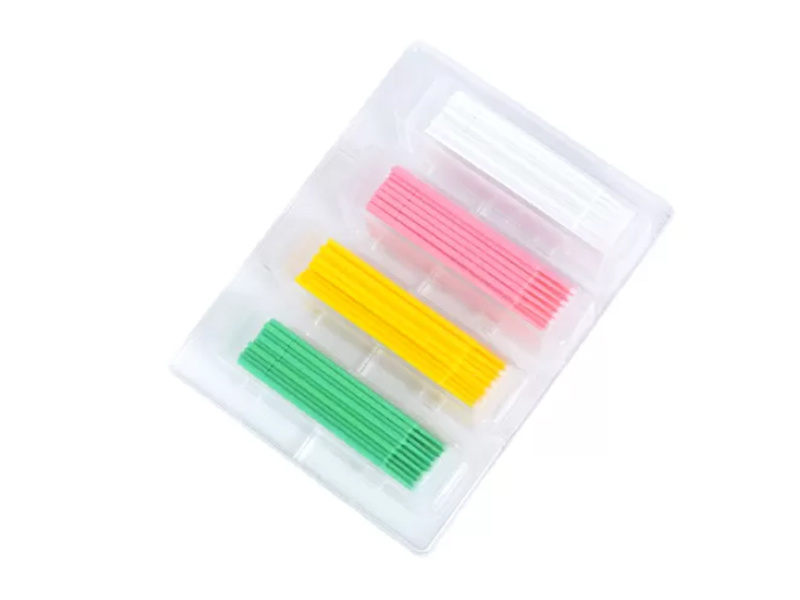
Micro applicators are specialized tools designed for the precise application of various substances in medical settings. Typically made of materials such as plastic or foam, these applicators feature ultra-fine tips that enable the delivery of minute quantities of medications or other solutions. Their design allows for enhanced control, ensuring that treatments are delivered exactly where needed. Micro applicators come in various lengths and diameters, catering to the specific needs of diverse applications.
Real-World Applications of Micro Applicators
Micro applicators are used across many areas in medicine, each with unique requirements and challenges. Below, we explore several key applications.
Micro Applicators in Cosmetic Procedures
In the cosmetic industry, micro applicators are indispensable for procedures such as tattooing, microblading, and the application of specialized skin treatments. Their fine tips allow practitioners to perform intricate work with precision, ensuring natural-looking results. For instance, during the application of skin serums and facial treatments, micro applicators enable the even distribution of products across the skin's surface, maximizing effectiveness.
Micro Applicators in Dentistry
Dentists utilize micro applicators for a range of procedures including the application of dental adhesives, sealants, and medicated solutions. The precision offered by these tools allows for targeted application, reducing waste and enhancing treatment efficacy. For example, when applying a dental sealant, micro applicators help ensure that the sealant is applied only to the intended areas, minimizing the risk of contamination and ensuring better patient outcomes.
Micro Applicators in Surgical Applications
In surgical settings, micro applicators play a critical role in the delivery of medications and other substances. Surgeons use them to apply hemostatic agents, antibiotics, and other solutions during procedures. The ability to apply these substances precisely reduces the likelihood of complications and improves the overall success rate of surgeries. Micro applicators also facilitate the application of sutures and other materials in minimally invasive procedures.
Micro Applicators in Wound Care
Wound care professionals rely on micro applicators to apply topical treatments, such as antiseptics and ointments, directly to wounds. This targeted application minimizes the risk of infection and promotes faster healing. The fine tips of micro applicators allow healthcare providers to reach difficult areas, ensuring comprehensive treatment coverage. Additionally, their disposability reduces the risk of cross-contamination between patients.
Benefits of Using Micro Applicators
The incorporation of micro applicators into medical practice offers numerous advantages, including:
- **Precision**: The fine tips ensure that treatments are applied exactly where needed, optimizing results.
- **Reduced Waste**: By allowing controlled application, micro applicators minimize excess product usage, making treatments more economical.
- **Enhanced Patient Safety**: Their design helps to reduce the risk of contamination and infection during procedures.
- **Improved Outcomes**: Targeted delivery of treatments often leads to better patient outcomes and faster recovery times.
Innovations in Micro Applicator Technology
As technology continues to advance, so does the design and functionality of micro applicators. Innovations include the development of biodegradable materials, which enhance environmental sustainability, and applicators with specialized tips for unique applications. Some manufacturers are also exploring the integration of micro-electronics, allowing for smart applicators that can track dosage and application precision in real time.
Market Trends for Micro Applicators
The market for micro applicators is growing steadily, driven by advancements in medical technology and increasing demand for precision treatments. Healthcare professionals recognize the importance of these tools in improving patient care, leading to increased investment in research and development. Additionally, the rise of minimally invasive procedures is further propelling the demand for micro applicators, as their use aligns with the industry’s focus on enhancing patient comfort and safety.
The Future of Micro Applicators in Medicine
Looking ahead, the future of micro applicators in medicine is promising. As the healthcare landscape evolves, the continuing emphasis on precision and efficiency will likely drive further innovations in applicator design and functionality. The integration of artificial intelligence and robotics into medical practices may also lead to the development of automated micro applicator systems, allowing for even greater accuracy and consistency in treatment delivery.
Frequently Asked Questions
1. What materials are micro applicators made of?
Micro applicators are typically made from plastic or foam, which are lightweight, flexible, and provide a controlled application.
2. Can micro applicators be reused?
Most micro applicators are designed for single-use to prevent cross-contamination, ensuring patient safety during medical procedures.
3. Are there specific types of micro applicators for different procedures?
Yes, there are various types of micro applicators tailored for specific applications, including different tip sizes and shapes to meet the needs of various medical fields.
4. How do micro applicators enhance patient safety?
Micro applicators minimize the risk of contamination and infection by allowing precise application of treatments, reducing direct contact and exposure to pathogens.
5. What is the role of micro applicators in wound care?
In wound care, micro applicators are used to apply antiseptics and ointments with precision, ensuring comprehensive treatment while promoting faster healing.
Conclusion
Micro applicators represent a significant advancement in the field of medicine, providing healthcare professionals with the precision tools they need to enhance patient care. Their diverse applications across cosmetic, dental, surgical, and wound care settings highlight their versatility and importance. As technology continues to evolve, we can expect even greater innovations in micro applicator design and functionality, further cementing their role in delivering effective and efficient medical treatments. By embracing these tools, medical professionals can provide patients with the highest standard of care, ensuring better outcomes and improved quality of life.
TAG:
Related Posts








Address
Kangtian Road. Longchuang Industrial Park, Huanghua City, Hebei Province, 061100, P.R.China