
Navigating the World of Micro Applicators: What You Need to Know
02 May,2026


Navigating the World of Micro Applicators: What You Need to Know
Table of Contents
1. Introduction to Micro Applicators
2. Types of Micro Applicators
3. Applications of Micro Applicators in Healthcare
4. Material Composition of Micro Applicators
5. Best Practices for Using Micro Applicators
6. Cleaning and Maintenance of Micro Applicators
7. Benefits of Using Micro Applicators i
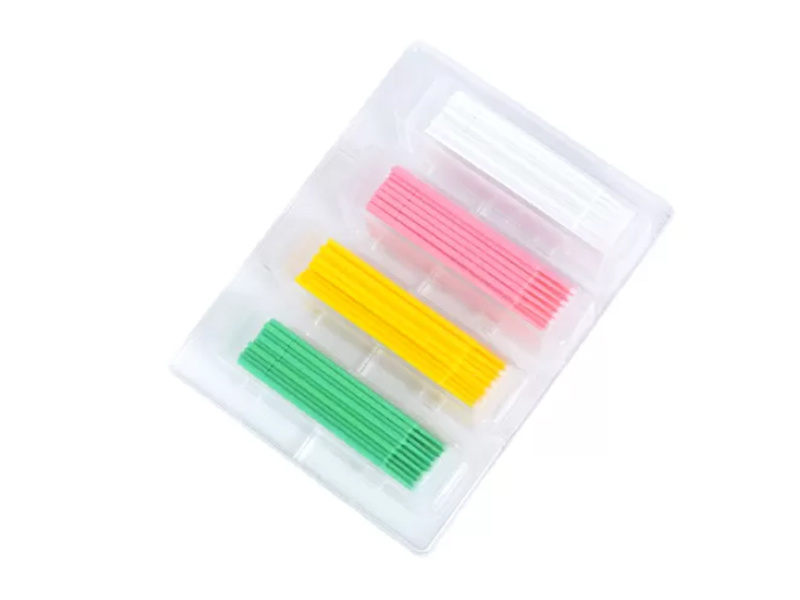
Navigating the World of Micro Applicators: What You Need to Know
Table of Contents
- 1. Introduction to Micro Applicators
- 2. Types of Micro Applicators
- 3. Applications of Micro Applicators in Healthcare
- 4. Material Composition of Micro Applicators
- 5. Best Practices for Using Micro Applicators
- 6. Cleaning and Maintenance of Micro Applicators
- 7. Benefits of Using Micro Applicators in Medical Procedures
- 8. The Future of Micro Applicators in Healthcare
- 9. Frequently Asked Questions
- 10. Conclusion
1. Introduction to Micro Applicators
Micro applicators are specialized tools designed for precise application of substances in various medical and healthcare settings. These small, often disposable devices enable healthcare professionals to deliver medications, perform diagnostic tests, and administer treatments with exceptional accuracy. Their growing prominence in the healthcare sector is attributed to their ability to minimize contamination and improve patient safety.
Micro applicators serve a critical role in a range of medical procedures, from dentistry to dermatology. This article will delve into the different types of micro applicators available, their diverse applications, and the best practices for their use.
2. Types of Micro Applicators
Micro applicators come in various types, each tailored for specific tasks. Understanding the different categories can help healthcare professionals choose the right applicator for their needs.
Foam Micro Applicators
Foam micro applicators are soft and pliable, making them ideal for applying topical medications and conducting sensitive procedures. Their absorbent nature allows for even distribution of solutions, ensuring effective treatment.
Cotton Micro Applicators
Cotton micro applicators feature a cotton tip on a slender stick. They are commonly used in diagnostics and specimen collection, providing a reliable means of sampling while minimizing discomfort to the patient.
Plastic Micro Applicators
Made from flexible plastic, these applicators are durable and resistant to breakage. They are suitable for applying various substances, including gels and creams, and are often used in cosmetic procedures.
Silicone Micro Applicators
Silicone micro applicators are designed for specific applications where traditional materials may degrade or react adversely. Their non-stick surface and flexibility make them perfect for precise applications in both medical and cosmetic fields.
3. Applications of Micro Applicators in Healthcare
The versatility of micro applicators allows them to be used in multiple facets of healthcare. Here are some key applications:
Dentistry
In dentistry, micro applicators are essential for delivering dental materials and medications directly to the target area. They allow for precise placement of bonding agents or anesthetics, contributing to a smoother treatment experience.
Dermatology
Micro applicators play a significant role in dermatological procedures, such as applying topical treatments for acne, psoriasis, or eczema. Their precision helps to minimize the amount of medication used while maximizing effectiveness.
Ophthalmology
In ophthalmology, micro applicators are used for the application of eye medications and diagnostic procedures. Their design helps in reaching delicate areas without causing irritation.
Laboratory Work
Micro applicators are frequently employed in laboratory settings for sampling and transferring small volumes of liquids. Their precision is vital in achieving accurate results, especially in sensitive tests.
4. Material Composition of Micro Applicators
The material used in manufacturing micro applicators is crucial in determining their performance and safety. Common materials include:
Wood
Some traditional micro applicators are made from wood, offering a sturdy yet lightweight option. However, wood applicators may pose risks of splintering or contamination.
Plastic
Plastic micro applicators are widely used due to their durability and ease of disposal. They are resistant to moisture and chemicals, making them suitable for various applications.
Biodegradable Materials
With the increasing emphasis on sustainability, some manufacturers are now producing micro applicators from biodegradable materials. These options reduce environmental impact while maintaining performance standards.
5. Best Practices for Using Micro Applicators
To ensure the effectiveness and safety of micro applicators, healthcare professionals should adhere to best practices:
Use Disposable Applicators
Disposable micro applicators help prevent cross-contamination and ensure patient safety. They should be used once and discarded appropriately.
Utilize Proper Application Technique
Adopting the correct technique for applying substances can enhance treatment outcomes. Professionals should receive training on the specific use of each type of micro applicator.
Store Appropriately
Micro applicators should be stored in a clean, dry environment to prevent contamination. Manufacturers' guidelines should be followed for storage conditions.
6. Cleaning and Maintenance of Micro Applicators
While many micro applicators are single-use, some types can be cleaned and reused. Following proper cleaning protocols is essential for maintaining safety:
Cleaning Methods
Cleaning methods vary by applicator type. For reusable applicators, thorough cleaning with appropriate disinfectants is crucial.
Sterilization Procedures
If sterilization is necessary, professionals should use approved methods to ensure that all pathogens are eliminated before reuse.
7. Benefits of Using Micro Applicators in Medical Procedures
Micro applicators offer numerous benefits that enhance patient care and treatment effectiveness:
Increased Precision
Micro applicators allow for targeted application of medications, reducing the risk of overdose and minimizing side effects.
Improved Efficiency
By providing a means of applying medications quickly and accurately, micro applicators streamline medical procedures, saving time for healthcare professionals.
Enhanced Patient Comfort
The design of micro applicators minimizes discomfort during procedures, contributing to a more positive experience for patients.
8. The Future of Micro Applicators in Healthcare
As technology advances, the future of micro applicators looks promising. Innovations in material science and design may lead to even more precise and effective applicators. Additionally, the incorporation of smart technology could enable real-time monitoring of medication delivery and outcomes.
Healthcare professionals must stay informed about emerging trends and continue to adapt practices to ensure optimal patient care.
9. Frequently Asked Questions
What are micro applicators used for?
Micro applicators are utilized for the precise application of medications in various medical and healthcare applications, including dentistry, dermatology, and laboratory work.
Are micro applicators single-use?
Most micro applicators are designed for single use to prevent cross-contamination; however, some types can be cleaned and reused following strict protocols.
How should micro applicators be stored?
Micro applicators should be stored in a clean, dry environment, following the manufacturer's guidelines to ensure safety and efficacy.
Can micro applicators be used for cosmetic procedures?
Yes, micro applicators are commonly used in cosmetic procedures for accurate application of creams, gels, and other treatments.
What materials are micro applicators made from?
Micro applicators are typically made from materials such as plastic, wood, or biodegradable substances, each offering different benefits depending on the application.
10. Conclusion
Micro applicators are invaluable tools in the healthcare industry, enhancing the precision and efficacy of medical procedures. Understanding the various types, applications, and best practices associated with micro applicators is essential for healthcare professionals. By adhering to these guidelines, practitioners can ensure optimal outcomes for patients while minimizing risks. As the field continues to evolve, staying informed about advancements in micro applicator technology will further enhance patient care and safety.
TAG:
Related Posts








Address
Kangtian Road. Longchuang Industrial Park, Huanghua City, Hebei Province, 061100, P.R.China