
Ultimate Guide: How to Maintain and Care for Your Micro Applicators
03 Jul,2026


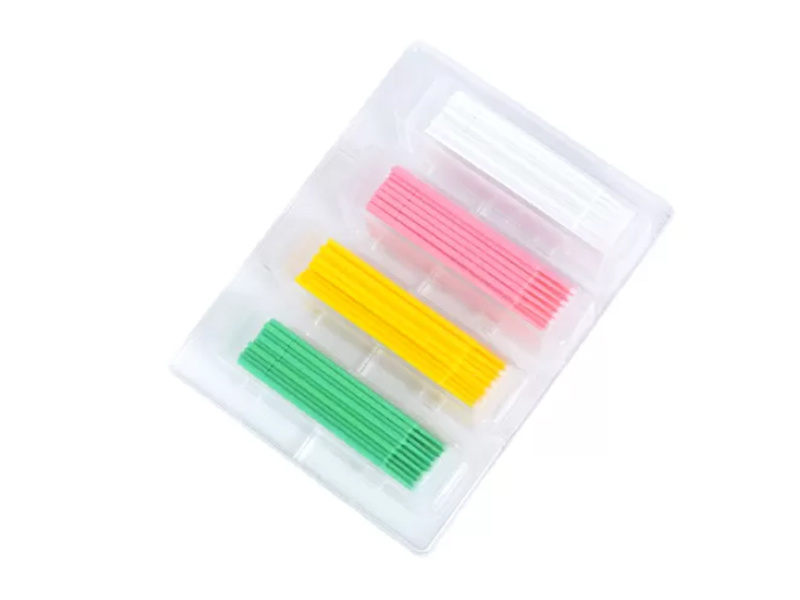
Ultimate Guide: How to Maintain and Care for Your Micro Applicators
Table of Contents
- What Are Micro Applicators?
- Importance of Maintenance for Micro Applicators
- Step-by-Step Cleaning Process
- Best Storage Practices for Micro Applicators
- Common Mistakes to Avoid When Caring for Micro Applicators
- Tips for Extending the Life of Your Micro Applicators
- When to Replace Your Micro Applicators
- Frequently Asked Questions
What Are Micro Applicators?
Micro applicators are specialized tools designed for precise application of solutions in various medical, dental, and cosmetic procedures. These slender, flexible instruments often feature a fine tip, allowing for meticulous delivery of products such as adhesives, sealants, or medications directly to target areas.
They are particularly popular in applications requiring meticulous detail, such as cosmetic dermatology and dental procedures. Given their critical role, proper maintenance and care are essential to ensure these tools provide consistent and reliable performance.
Importance of Maintenance for Micro Applicators
Maintaining micro applicators is not merely a best practice; it is imperative to enhance patient safety and ensure effective treatments. Dirty or poorly maintained applicators can harbor bacteria, leading to complications such as infections or adverse reactions. Regular cleaning and proper care extend the instrument's life, ensuring they remain effective tools in your practice.
Moreover, well-maintained micro applicators contribute to the overall efficiency of procedures, enhancing the clinician's ability to deliver precise treatments. This reliability fosters confidence, both for practitioners and patients, ultimately improving patient experiences and outcomes.
Step-by-Step Cleaning Process
Cleaning micro applicators effectively requires attention to detail and adherence to best practices. Below is a comprehensive step-by-step guide.
Step 1: Gather Your Supplies
Before beginning the cleaning process, assemble all necessary supplies, including:
- Mild soap or detergent
- Clean water
- Disinfectant solution (CDC-approved)
- Soft cloth or paper towel
- Sterile container for rinsing
Step 2: Rinse Immediately After Use
After each use, rinse the micro applicator under warm running water to remove any residual substances. This is crucial for preventing buildup and ensuring effective cleaning.
Step 3: Clean with Soap
Apply a small amount of mild soap or detergent to the applicator. Using your fingers or a soft cloth, gently scrub the applicator, paying special attention to the tip and any grooves. This step is vital for removing any contaminants.
Step 4: Rinse Thoroughly
Rinse the applicator thoroughly under clean running water to remove all soap residues. Ensure that no suds remain, as they can interfere with future use.
Step 5: Disinfect the Applicator
Prepare a disinfectant solution according to the manufacturer's instructions. Submerge the micro applicator in the solution for the recommended duration to effectively eliminate any remaining pathogens.
Step 6: Final Rinse
After disinfection, rinse the applicator once again under clean water to remove any disinfectant residue. Ensure that the applicator is thoroughly cleaned.
Step 7: Dry Properly
Use a soft cloth or paper towel to gently dry the micro applicator. Avoid using abrasive materials that may damage the applicator's surface.
Best Storage Practices for Micro Applicators
Proper storage of micro applicators is essential to maintain their integrity and efficacy. Below are recommended practices for storing them safely.
Use a Sterile Container
Store micro applicators in a sterile, sealed container to prevent contamination. This practice protects them from dust, moisture, and airborne pathogens, ensuring they remain clean until use.
Keep in a Cool, Dry Place
Ensure that the storage environment is cool and dry. Excessive heat or humidity can degrade the materials and affect the functionality of the applicators.
Organize by Size and Type
To streamline the retrieval process during procedures, organize micro applicators by size and type. This organization enhances efficiency and reduces the risk of using the wrong applicator for specific applications.
Common Mistakes to Avoid When Caring for Micro Applicators
While caring for micro applicators, certain mistakes can undermine their effectiveness. Avoid the following pitfalls:
Neglecting Regular Cleaning
Failing to clean micro applicators after each use can lead to contamination and ineffective treatments. Establish a routine cleaning schedule.
Using Abrasive Materials
Using abrasive sponges or materials can scratch the surface of micro applicators, compromising their integrity. Always opt for soft cleaning materials.
Improper Storage
Storing micro applicators in damp or unsealed containers exposes them to contaminants. Ensure that they are stored appropriately in sterile conditions.
Tips for Extending the Life of Your Micro Applicators
Implementing best practices can significantly prolong the life of your micro applicators. Consider the following tips:
Regular Inspection
Periodically inspect micro applicators for signs of wear or damage. Addressing issues promptly can prevent further deterioration.
Avoid Overuse
Each micro applicator has a specific use limit. Overusing them can lead to decreased performance and effectiveness.
Educate Staff
Ensure that all staff members are trained in proper care and storage techniques. Consistency in handling micro applicators is key to maintaining their quality.
When to Replace Your Micro Applicators
Understanding when to replace micro applicators is crucial for ensuring patient safety and treatment efficacy. Consider the following indicators:
Visible Damage
If the applicator shows signs of bending, breakage, or fraying at the tip, it is time to replace it. Damaged applicators can lead to inconsistent application and complications.
Decreased Performance
If you notice that applicators are no longer delivering solutions effectively, it may be time for a replacement. Upholding performance standards is critical in clinical settings.
Frequently Asked Questions
1. How often should I clean my micro applicators?
It is essential to clean micro applicators after each use to prevent contamination and maintain efficacy.
2. Can I use alcohol for disinfecting my micro applicators?
Yes, isopropyl alcohol is an effective disinfectant, but ensure it is safe for the materials of your applicators.
3. How do I know when to replace my micro applicators?
Replace your micro applicators if you notice visible damage or decreased performance during use.
4. What type of storage container is best for micro applicators?
A sterile, sealed container is ideal for storing micro applicators to protect them from contamination.
5. Are there any special cleaning solutions recommended for micro applicators?
Mild soap and CDC-approved disinfectants are typically recommended for cleaning micro applicators. Always follow the manufacturer's instructions.
Conclusion
Maintaining and caring for micro applicators is essential for ensuring their longevity and effectiveness in clinical applications. By adhering to proper cleaning processes, employing best storage practices, and avoiding common mistakes, healthcare professionals can significantly improve the reliability of their micro applicators. Regular inspection and timely replacement further enhance patient safety and treatment outcomes. By following the guidelines outlined in this comprehensive guide, you can foster a culture of cleanliness and precision in your practice, ultimately benefiting both practitioners and patients alike.
TAG:
Related Posts








Address
Kangtian Road. Longchuang Industrial Park, Huanghua City, Hebei Province, 061100, P.R.China