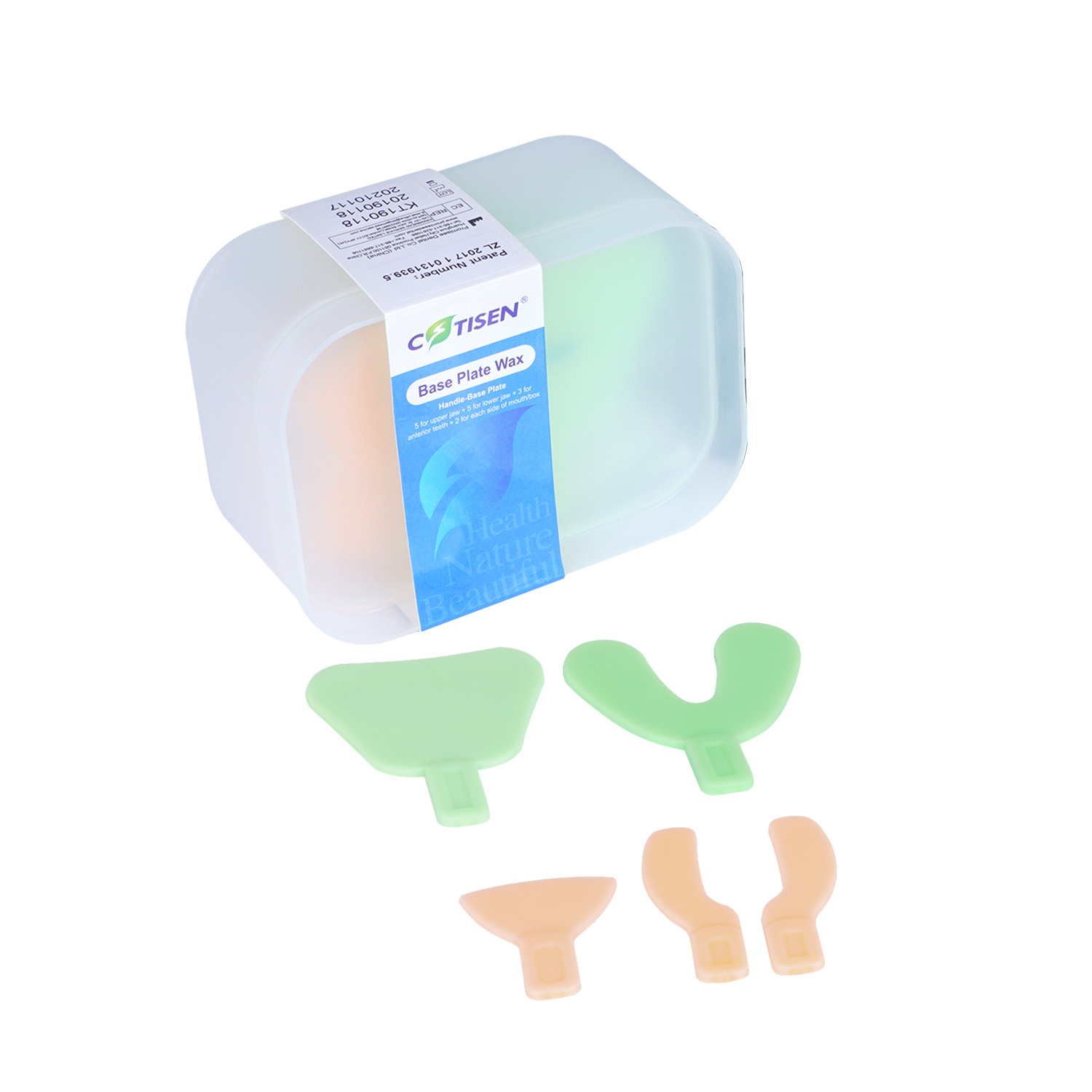
Understanding Base Plate Wax: Essential Insights for Healthcare Professionals
Base Plate Wax is a specialized material widely used in the medical field, particularly within the realm of prosthetics and dental devices. Its primary role is to create accurate and stable bases for various applications, ensuring that prosthetic fittings and dental molds maintain their integrity and functionality over time.
One of the notable features of Base Plate Wax is its superior workability
Base Plate Wax is a specialized material widely used in the medical field, particularly within the realm of prosthetics and dental devices. Its primary role is to create accurate and stable bases for various applications, ensuring that prosthetic fittings and dental molds maintain their integrity and functionality over time.
One of the notable features of Base Plate Wax is its superior workability. This characteristic allows healthcare professionals to mold and shape the wax with ease, adapting it to fit individual patient needs. The pliability of the wax enables clinicians to achieve a high level of precision during the creation of dental and prosthetic appliances. For instance, when constructing dentures, Base Plate Wax is frequently employed to form the initial mold that guides the crafting of the final prosthetic.
Additionally, Base Plate Wax is known for its thermal properties. It can be easily softened by heat, making it user-friendly for professionals who need to manipulate the material often. Once cooled, the wax hardens to provide a stable base for further additions, such as acrylics or other materials used in prosthetic and dental constructions. This feature makes it an incredibly versatile asset in any medical setting that deals with patient-specific fittings.
Furthermore, the material's compatibility with various other substances is crucial. Base Plate Wax adheres well to several dental and prosthetic materials, ensuring that layers bond effectively. This property is essential in achieving a seamless finish and optimal functionality in the final product, whether it is a dental crown or a prosthetic limb.
When utilizing Base Plate Wax, it's important for healthcare professionals to consider the specific requirements of each patient. Factors such as the patient's oral anatomy in dentistry or the unique contours of a limb in prosthetics must be meticulously evaluated. This attention to detail ensures that the final products not only fit well but also promote comfort and usability for the patients.
In conclusion, Base Plate Wax serves as a vital component in the healthcare sector, particularly in the production and fitting of dental and prosthetic devices. Its unique properties, such as workability, thermal adaptability, and compatibility with other materials, make it indispensable for professionals dedicated to providing quality care. Understanding the significance of Base Plate Wax can empower healthcare providers to enhance their practices and improve patient outcomes effectively.
One of the notable features of Base Plate Wax is its superior workability. This characteristic allows healthcare professionals to mold and shape the wax with ease, adapting it to fit individual patient needs. The pliability of the wax enables clinicians to achieve a high level of precision during the creation of dental and prosthetic appliances. For instance, when constructing dentures, Base Plate Wax is frequently employed to form the initial mold that guides the crafting of the final prosthetic.
Additionally, Base Plate Wax is known for its thermal properties. It can be easily softened by heat, making it user-friendly for professionals who need to manipulate the material often. Once cooled, the wax hardens to provide a stable base for further additions, such as acrylics or other materials used in prosthetic and dental constructions. This feature makes it an incredibly versatile asset in any medical setting that deals with patient-specific fittings.
Furthermore, the material's compatibility with various other substances is crucial. Base Plate Wax adheres well to several dental and prosthetic materials, ensuring that layers bond effectively. This property is essential in achieving a seamless finish and optimal functionality in the final product, whether it is a dental crown or a prosthetic limb.
When utilizing Base Plate Wax, it's important for healthcare professionals to consider the specific requirements of each patient. Factors such as the patient's oral anatomy in dentistry or the unique contours of a limb in prosthetics must be meticulously evaluated. This attention to detail ensures that the final products not only fit well but also promote comfort and usability for the patients.
In conclusion, Base Plate Wax serves as a vital component in the healthcare sector, particularly in the production and fitting of dental and prosthetic devices. Its unique properties, such as workability, thermal adaptability, and compatibility with other materials, make it indispensable for professionals dedicated to providing quality care. Understanding the significance of Base Plate Wax can empower healthcare providers to enhance their practices and improve patient outcomes effectively.
TAG:
Related Posts