
Understanding Base Plate Wax: Its Significance in Medical Devices
18 Jun,2026


Base plate wax is a specialized material commonly utilized in the medical device sector, particularly in the construction and fitting of prosthetics and dental appliances. This versatile wax serves as a base for molds and forms, allowing for precise customization and comfort for patients relying on these medical devices. Understanding the properties and applications of base plate wax can significa
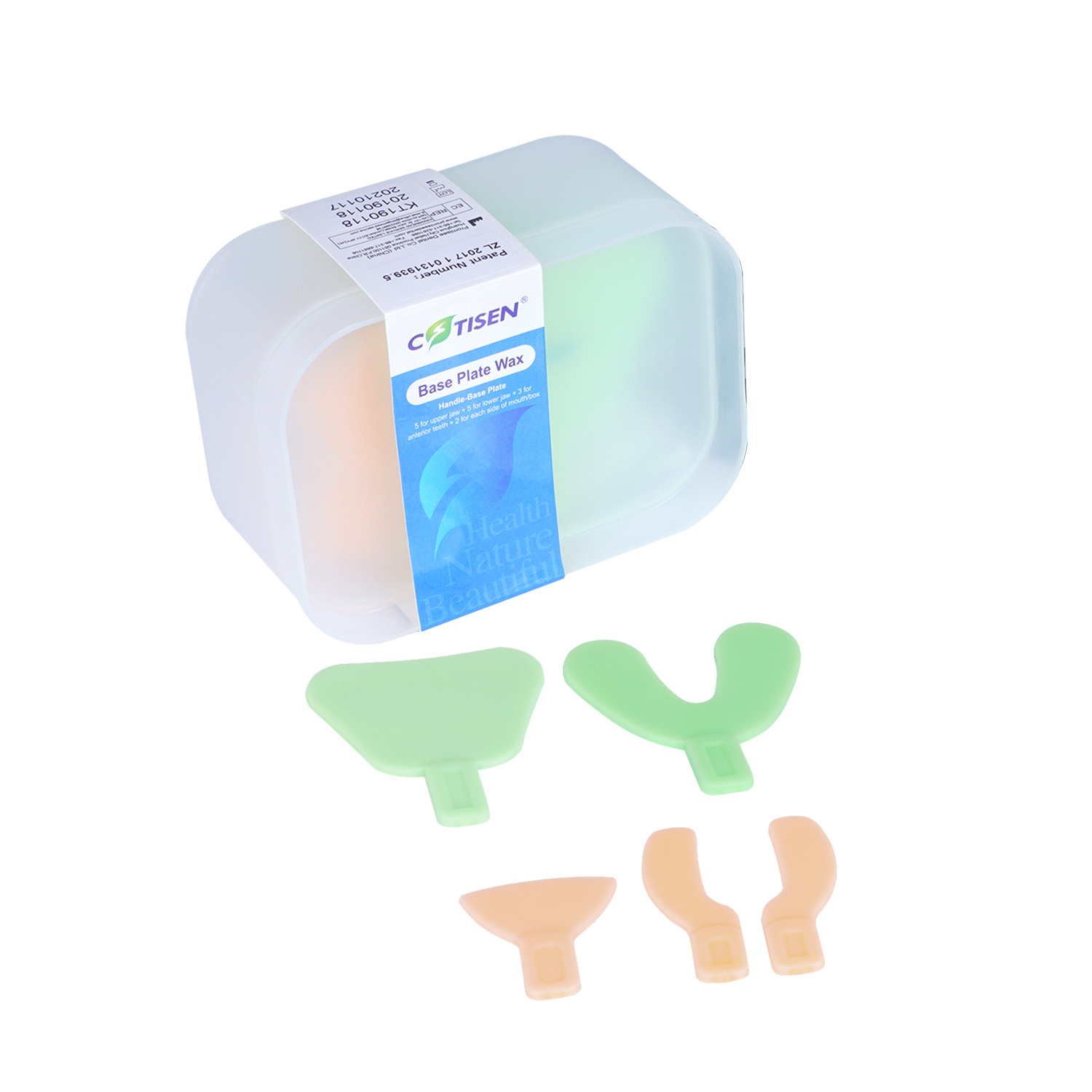
Base plate wax is a specialized material commonly utilized in the medical device sector, particularly in the construction and fitting of prosthetics and dental appliances. This versatile wax serves as a base for molds and forms, allowing for precise customization and comfort for patients relying on these medical devices. Understanding the properties and applications of base plate wax can significantly enhance the effectiveness of patient care and device functionality.
One of the key characteristics of base plate wax is its malleability. This property allows healthcare professionals to easily shape and mold the wax to fit the unique contours of a patient’s anatomical structure. Whether it's used in prosthetic limbs or dental impressions, the adaptability of base plate wax ensures that devices are tailored to individual requirements, promoting better fit and function.
Moreover, base plate wax exhibits excellent thermal properties, making it easy to manipulate when warmth is applied. This feature is especially beneficial for prosthetic fittings, where the wax can be softened to create a more personalized mold of the residual limb. As it cools, the wax retains the shape, providing a stable foundation for further processing and integration into the final device.
In addition to its physical attributes, the chemical composition of base plate wax is designed to be biocompatible. This means that it is safe for use in close contact with human skin, minimizing the risk of irritation or allergic reactions. For patients using prosthetics or dental devices for extended periods, this safety feature is crucial in promoting overall comfort and health.
Base plate wax also plays a significant role in the initial stages of device creation. In dental practices, for instance, it is often used to create impressions that guide the manufacturing of crowns, bridges, and dentures. The accuracy of these impressions directly affects the success of the final product. In prosthetics, base plate wax helps clinicians design devices that not only fit well but also support the patient’s mobility and lifestyle.
In summary, base plate wax is a fundamental component in the development of medical devices, particularly in prosthetics and dental applications. Its unique properties—malleability, thermal adaptability, and biocompatibility—make it an indispensable material for healthcare professionals aiming to enhance patient outcomes. Understanding and utilizing base plate wax effectively can lead to better fitting devices and improved quality of life for patients. As the medical device industry continues to evolve, the importance of such materials will only grow, emphasizing the need for continued innovation and research in this vital field.
One of the key characteristics of base plate wax is its malleability. This property allows healthcare professionals to easily shape and mold the wax to fit the unique contours of a patient’s anatomical structure. Whether it's used in prosthetic limbs or dental impressions, the adaptability of base plate wax ensures that devices are tailored to individual requirements, promoting better fit and function.
Moreover, base plate wax exhibits excellent thermal properties, making it easy to manipulate when warmth is applied. This feature is especially beneficial for prosthetic fittings, where the wax can be softened to create a more personalized mold of the residual limb. As it cools, the wax retains the shape, providing a stable foundation for further processing and integration into the final device.
In addition to its physical attributes, the chemical composition of base plate wax is designed to be biocompatible. This means that it is safe for use in close contact with human skin, minimizing the risk of irritation or allergic reactions. For patients using prosthetics or dental devices for extended periods, this safety feature is crucial in promoting overall comfort and health.
Base plate wax also plays a significant role in the initial stages of device creation. In dental practices, for instance, it is often used to create impressions that guide the manufacturing of crowns, bridges, and dentures. The accuracy of these impressions directly affects the success of the final product. In prosthetics, base plate wax helps clinicians design devices that not only fit well but also support the patient’s mobility and lifestyle.
In summary, base plate wax is a fundamental component in the development of medical devices, particularly in prosthetics and dental applications. Its unique properties—malleability, thermal adaptability, and biocompatibility—make it an indispensable material for healthcare professionals aiming to enhance patient outcomes. Understanding and utilizing base plate wax effectively can lead to better fitting devices and improved quality of life for patients. As the medical device industry continues to evolve, the importance of such materials will only grow, emphasizing the need for continued innovation and research in this vital field.
TAG:
Related Posts








Address
Kangtian Road. Longchuang Industrial Park, Huanghua City, Hebei Province, 061100, P.R.China